

Earth in 2100: Thriving Utopia

In the year 2100, Earth had undergone remarkable changes. The world had united in the face of escalating environmental challenges, and humanity had come together to tackle the issues threatening the planet.
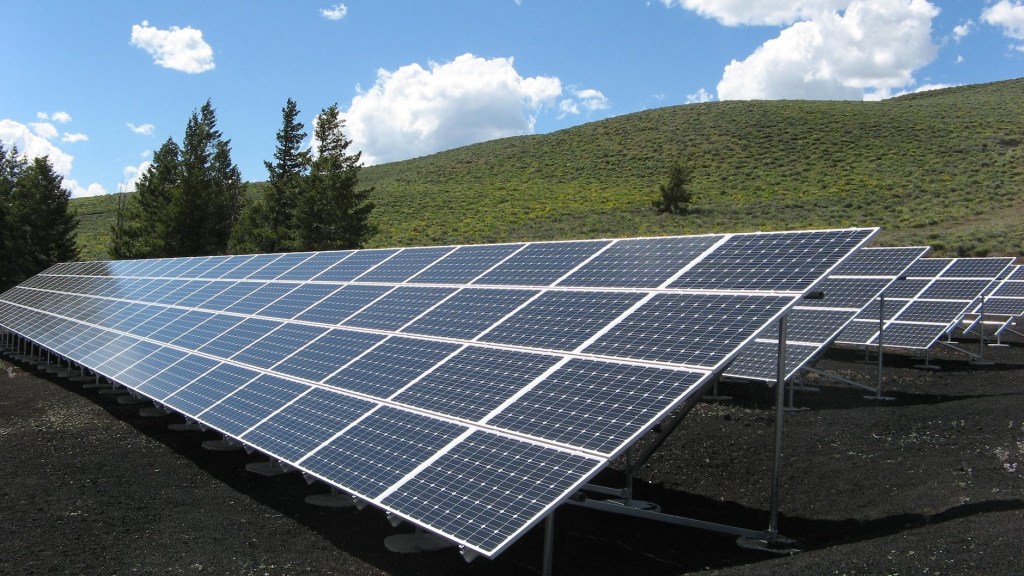
One of the most significant achievements was the development of clean and sustainable energy sources. Fossil fuels were no longer the primary source of energy, and renewable technologies had become the norm. Massive solar farms stretched across deserts, and wind turbines dotted coastlines, harnessing the power of the elements to provide energy for the world.
Cities had transformed into green, futuristic metropolises. Skyscrapers were adorned with vertical gardens, and green spaces had become an integral part of urban planning. The air was cleaner, and electric, autonomous vehicles silently glided through the streets, reducing congestion and pollution.

Scientific advancements had brought about a revolution in healthcare. Lifespan had increased significantly, and diseases that once seemed incurable were now treatable. Nanobots patrolled the bloodstream, repairing damaged cells and enhancing the body’s natural defenses. Telemedicine had become the norm, allowing doctors to diagnose and treat patients from across the globe instantly.
Education had evolved as well. Virtual reality classrooms provided immersive learning experiences, and artificial intelligence tailored curriculum to individual students’ needs. Access to quality education was no longer limited by location or resources, leveling the playing field for all.

The world had also made strides in space exploration. Lunar colonies had been established, and Mars missions were in progress. The dream of human settlement beyond Earth was becoming a reality, driven by a deep sense of stewardship for the planet and a desire to ensure the survival of the species.
Social changes had taken place too. Gender equality and inclusivity had become core values, and discrimination based on race, gender, or identity was virtually nonexistent. The world had learned to embrace diversity and celebrate the uniqueness of each individual.

Despite these incredible advancements, challenges remained. Climate change had left its mark on the planet, with rising sea levels and extreme weather events. However, the global community had taken swift action to mitigate the effects, implementing ambitious carbon reduction plans and reforestation efforts.
In the year 2100, Earth had not only survived but thrived. It was a world where the collective will of humanity had triumphed over adversity. It was a testament to what could be achieved when people set aside their differences and worked together for the common good, showing that even in the face of the greatest challenges, the human spirit could shine brightly, illuminating the path to a better future.

 Universe discoveries