
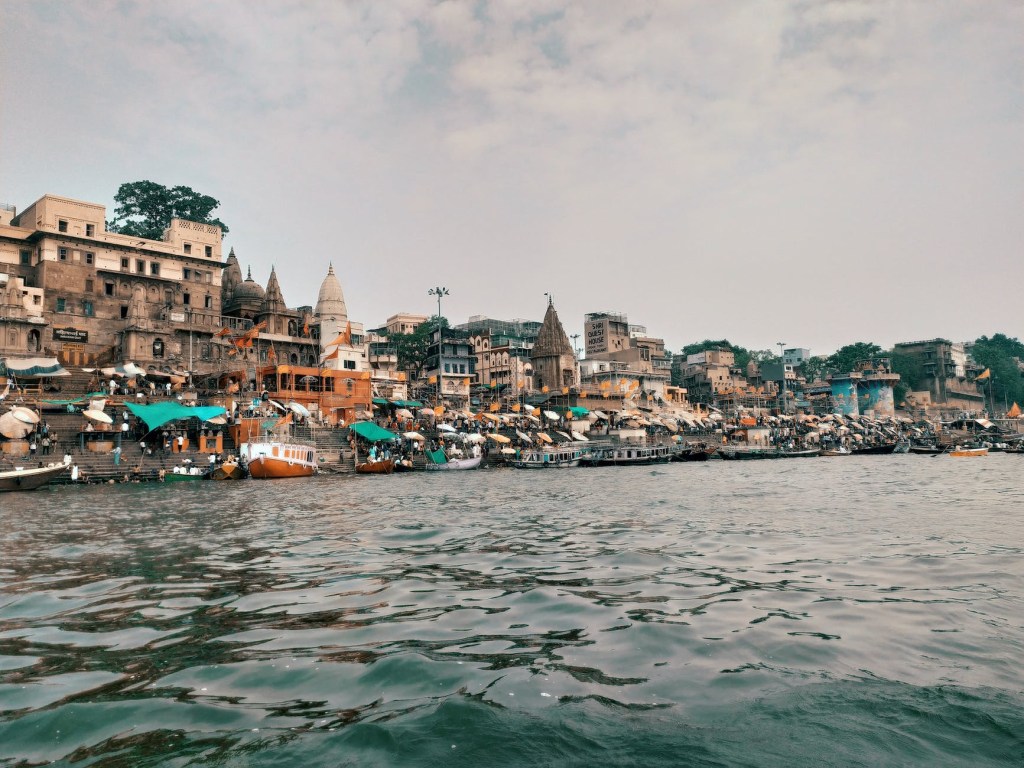
Ganga River: Sacred Lifeline

Title: The Sacred Ganga River: A Lifeline of India
Introduction
The Ganga River, often affectionately referred to as the “Ganges,” holds a unique and revered place in the hearts and minds of millions of people in India and beyond. Flowing through the northern plains of India, this mighty river has played a pivotal role in shaping the country’s cultural, religious, and ecological landscape. In this blog, we will explore the significance, history, and challenges facing the Ganga River.
1. A Spiritual Beacon
The Ganga River is not just a geographical entity; it is a spiritual and cultural beacon for India. It is considered sacred in Hinduism, and millions of Hindus believe that taking a dip in its waters can cleanse them of their sins. The river is personified as the goddess Ganga, and its waters are believed to be divine. This spiritual connection has led to the establishment of countless temples, ghats (steps leading to the river), and rituals along its banks.
2. Historical Significance
The Ganga River has been integral to India’s history and civilization. It was along its banks that some of the earliest known human settlements, such as the Indus Valley Civilization, flourished. Throughout history, it served as a trade route, facilitating the exchange of goods and cultures. The ancient city of Varanasi, situated on its banks, is one of the world’s oldest continually inhabited cities, with a history dating back thousands of years.
3. Biodiversity and Ecology
The Ganga Basin is home to a rich and diverse ecosystem. The river supports a variety of aquatic life, including the endangered Ganges river dolphin and various species of fish. The fertile plains around the river are crucial for agriculture and support a significant portion of India’s population. However, rampant industrialization and pollution have taken a toll on the river’s ecological health.
4. Pollution and Challenges
One of the most pressing challenges facing the Ganga River is pollution. Industrial discharge, untreated sewage, and agricultural runoff have led to severe contamination of its waters. The government of India has initiated various projects, such as the “Namami Gange” program, to clean and rejuvenate the river. However, the task is daunting, and much work remains to be done.
5. The Ganga’s Role in Daily Life
The Ganga River is not just a spiritual and historical icon; it is a lifeline for millions of people who depend on it for their daily needs. It provides water for drinking, irrigation, and industrial use to numerous cities and towns along its course. Ensuring the river’s purity and sustainability is crucial for the well-being of the people in the region.
Conclusion
The Ganga River is more than just a body of water; it is the lifeblood of northern India. Its cultural, spiritual, and historical significance is immeasurable, and its ecological importance cannot be overstated. While there are challenges to overcome, efforts are being made to protect and restore this iconic river for future generations to cherish and benefit from. The Ganga River remains a testament to the deep interconnection between nature, culture, and spirituality in India.

Best health products on discount on Amazon
https://9d10ceim7-wqd083xgtfn2rybu.hop.clickbank.net
 Universe discoveries