
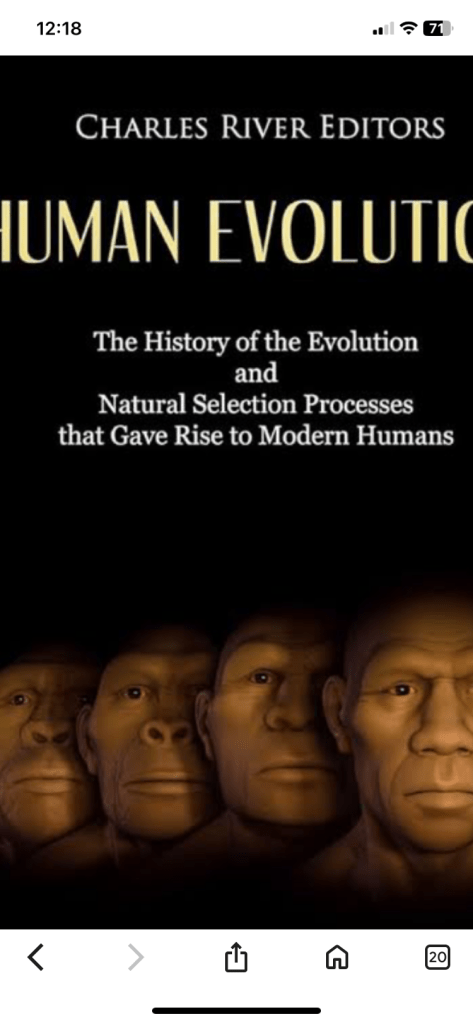
The history of natural evolution is a story of how the understanding of life’s changes over time has developed, from ancient philosophical musings to the modern, evidence-based scientific theory we have today. The central idea of evolution—that species change and diversify—didn’t begin with Charles Darwin, but he and Alfred Russel Wallace were the first to propose a convincing mechanism for it: natural selection. 🌍
Pre-Darwinian Thought
Long before the 19th century, thinkers and naturalists had proposed various ideas about the origins and relationships of living things. Ancient Greek philosophers like Anaximander suggested that life evolved from moisture and that humans developed from fish. In the 18th century, thinkers like Jean-Baptiste Lamarck put forth a more formal theory of evolution, though it was flawed. Lamarck proposed the inheritance of acquired characteristics, suggesting that an organism could pass on traits it developed during its lifetime. For example, a giraffe’s neck would grow longer by stretching to reach high leaves, and its offspring would inherit this longer neck. While this idea was later disproven, it was a significant step toward a non-supernatural explanation for life’s diversity.
Darwin and Wallace: The Theory of Natural Selection
The most significant turning point in the history of evolutionary thought came in the mid-19th century with Charles Darwin and Alfred Russel Wallace. Both naturalists independently arrived at the same groundbreaking idea. Wallace, while in the Malay Archipelago, and Darwin, following his voyage on the HMS Beagle, observed patterns in nature that led them to the same conclusion: species evolve through a process of natural selection.
Natural selection is based on three key principles:
- Variation: Within any population, individuals have different traits.
- Inheritance: These traits are heritable, passed from parents to offspring.
- Differential Survival and Reproduction: More offspring are produced than can survive. Individuals with traits best suited to their environment are more likely to survive and reproduce, passing on those beneficial traits to the next generation. Over long periods, this process causes species to change and diversify.
Darwin’s 1859 book, On the Origin of Species, provided a wealth of evidence for this theory, including observations of fossils, anatomical similarities between species, and the geographical distribution of organisms.
The Modern Synthesis
Following Darwin’s publication, the scientific community widely accepted the concept of evolution but struggled with the mechanism of heredity. Darwin didn’t know how traits were passed on, and his theory was missing a key piece of the puzzle. This gap was filled in the 20th century with the Modern Synthesis, which combined Darwinian natural selection with the principles of genetics and population biology.
The work of Gregor Mendel, who discovered the basic laws of inheritance through his experiments with pea plants, provided the missing link. Later, the discovery of DNA confirmed that genes are the heritable units of life, providing a physical basis for variation and inheritance. The Modern Synthesis explained how genetic mutations create new variations, which are then acted upon by natural selection.
Contemporary Evolutionary Biology
Today, the theory of evolution by natural selection is the unifying framework for all of biology. Ongoing research in fields like molecular biology, genomics, and paleontology continues to deepen our understanding of evolution. Scientists have used DNA sequencing to trace the evolutionary relationships between species with incredible precision, further confirming the concept of a shared ancestry for all life on Earth. The history of natural evolution is a testament to the scientific process itself—a gradual, evidence-driven journey of discovery and refinement. 🧬
What is the future of human evolution
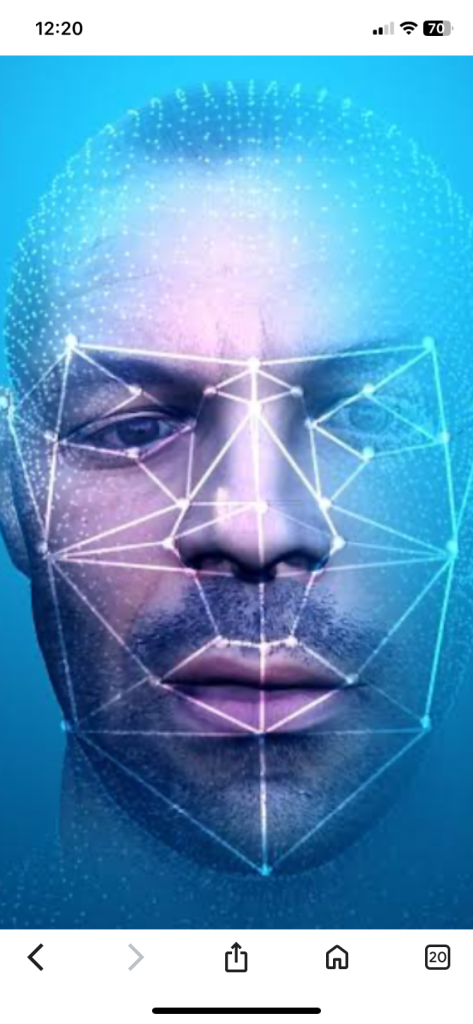
The future of human evolution is a subject of fascinating speculation, as it is no longer solely driven by the slow, natural processes that shaped us for millions of years. Today, two major forces are at play:
- Traditional Natural Selection: Evolution is still occurring, though its pace and direction are being influenced by a new set of selective pressures.
- Technological and Cultural Evolution: This is the most significant factor. Human technology, medicine, and social structures are fundamentally altering the evolutionary landscape.
- The Role of Natural Selection
Contrary to popular belief, humans are still evolving. In fact, some studies suggest that the rate of human evolution may have accelerated since the dawn of agriculture. This is because our environment has changed dramatically, creating new selective pressures.
- Immunity and Disease Resistance: As we live in denser populations, infectious diseases can spread more easily. This has led to genetic adaptations for disease resistance, such as the persistence of the lactase gene in populations that have historically consumed dairy.
- Dietary Adaptations: Our diets have changed from those of our hunter-gatherer ancestors. This is driving adaptations related to the digestion of different foods, like starches and milk.
- Physical Traits: Trends in height and body size have been observed over the last few centuries, likely due to improved nutrition. However, with modern sedentary lifestyles, we may see different physical changes. For example, our jaws and teeth are getting smaller, with some people no longer having room for their wisdom teeth.
- Genetic Diversity: Globalization and increased human migration are leading to a more mixed global gene pool. This could lead to a more homogenous population in the long run, but it also increases overall genetic variation.
- The Impact of Technology and Culture
This is where the future of human evolution becomes truly complex and difficult to predict. We are no longer simply “adapting” to our environment; we are actively changing it and ourselves.
- Medicine and Survival: Modern medicine has drastically reduced the selective pressure of many diseases. Individuals who would have died from an illness in the past now survive and reproduce, passing on genes that might have once been selected against. This essentially “softens” the effect of natural selection on our species.
- Reproductive Choices: We are increasingly making choices about reproduction that are not based on “fitness” in a traditional sense. For example, people are having fewer children, and the ability to choose a mate is now more influenced by social and cultural factors than by physical survival traits.
- Genetic Engineering: The most profound change may come from our ability to directly alter our own genetic code. Technologies like CRISPR offer the possibility of correcting genetic diseases, but also raise the ethical question of “designer babies.” This could lead to a future where we consciously select for certain traits, a process known as artificial selection.
- Transhumanism: This is the idea that we will evolve beyond our current biological form by integrating with technology. This could involve bionic implants, brain-computer interfaces, or other forms of biological and technological augmentation.
Possible Scenarios for the Future
Given these factors, the future of human evolution could take several paths: - A “Stalling” of Natural Evolution: With medicine and technology mitigating many of the traditional pressures of natural selection, some scientists argue that biological evolution has largely stopped for humans, or at least slowed to a crawl.
- Continued Biological Change: Others argue that new pressures—like the long-term effects of our diets, pollutants, or even changes in social behavior—will continue to drive subtle biological evolution.
- Divergence and Speciation: If humanity becomes a spacefaring species, isolated populations living on other planets could evolve in different directions due to unique environmental pressures and genetic drift, potentially leading to new human species in the far future.
- Technologically-Driven Evolution: This is arguably the most likely and radical scenario. We may not see significant changes in our physical bodies in the traditional sense, but our minds and capabilities will be extended and altered by technology. In this view, our future evolution is more about how we integrate with and are changed by our own creations.
Please like subscribe comment your precious thoughts on universe discoveries
Full article source google
 Universe discoveries
🙏🌹
Aum Shanti
LikeLiked by 1 person