

NASA is currently targeting the launch of the Artemis II mission as early as February 6, 2026. This historic flight will be the first crewed mission to the vicinity of the Moon in over 50 years, carrying four astronauts on a 10-day journey.
Launch Schedule and Windows
While February 6 is the earliest target, NASA has identified several specific launch opportunities based on orbital alignment and technical readiness:
- Primary Launch Window: February 6, 7, 8, 10, and 11, 2026.
- Backup Window 1: March 6, 7, 8, 9, and 11, 2026.
- Backup Window 2: April 1, 3, 4, 5, and 6, 2026.
The specific launch time for February 6 is targeted for 9:41 p.m. ET (February 7 at 02:41 UTC) with a two-hour window.
Mission Overview
- The Crew: Commander Reid Wiseman, Pilot Victor Glover, and Mission Specialists Christina Koch (NASA) and Jeremy Hansen (Canadian Space Agency).
- Trajectory: The Orion spacecraft will use a “free-return trajectory,” where lunar gravity naturally pulls the capsule back toward Earth after a flyby.
- Key Milestones: NASA plans to roll the Space Launch System (SLS) rocket to Launch Pad 39B as soon as January 17, 2026, followed by a critical “wet dress rehearsal” later in the month.
The final commitment to the February 6 date will depend on the successful completion of these rehearsals and favorable weather conditions at Kennedy Space Center.
When will Artemis 111 will launch and mission
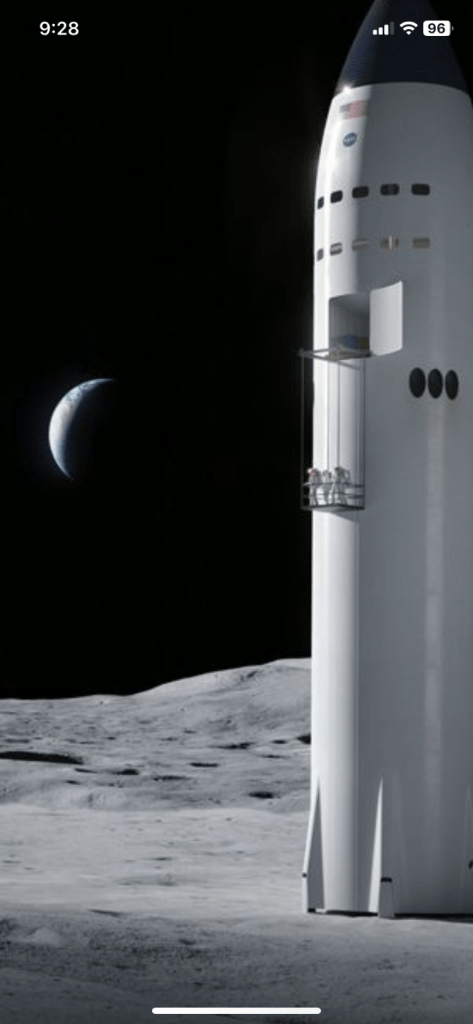
NASA is currently targeting the launch of
Artemis III for no earlier than mid-2027. This mission will be the first to land humans on the lunar surface in over 50 years.
Mission Objectives
- Historic Landing: Artemis III intends to land the first woman and the first person of color on the Moon.
- Target Site: The crew will land near the Lunar South Pole, a region believed to contain valuable water ice.
- Scientific Research: Astronauts will conduct several spacewalks over a period of about a week to collect samples and deploy scientific instruments, including the Lunar Environment Monitoring Station (LEMS).
- Sustained Presence: The mission serves as a stepping stone toward establishing a long-term human presence on the Moon and eventual crewed missions to Mars.
Key Mission Details
- Spacecraft: A crew of four will launch aboard the Orion spacecraft on a Space Launch System (SLS) rocket.
- Landing System: Two astronauts will transfer to SpaceX’s Starship Human Landing System (HLS) for the descent to the lunar surface while the remaining two stay in Orion’s orbit.
- Duration: The total mission is expected to last approximately 30 days.
- Potential Challenges: The current 2027 target faces risks due to ongoing development of the Starship lander, new spacesuits by Axiom Space, and potential budget adjustments.
Please like subscribe comment your precious comment on universe discoveries
Full article source google
 Universe discoveries
Very nice.
LikeLiked by 1 person
🙏
Aum Shanti
LikeLiked by 1 person