
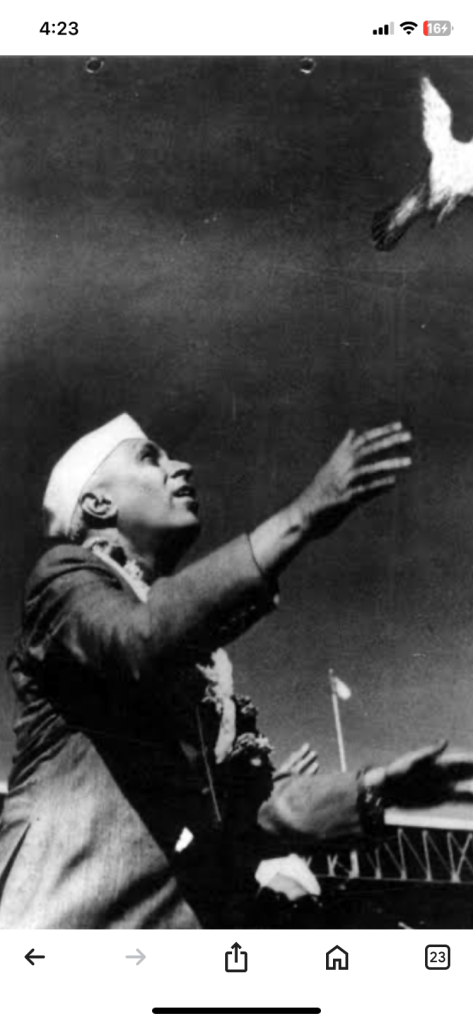
That’s an interesting and somewhat debated perspective on the end of British rule in India. While the spread of education by the British did play a significant role, attributing the end solely to this factor oversimplifies a complex historical process.
Here’s a more nuanced view:
How British Education Contributed to the End of Their Rule:
- Rise of Nationalist Consciousness: English education exposed Indians to Western liberal and democratic ideals, the concepts of self-determination, and the writings of thinkers like John Locke, Rousseau, and Mill. This fostered a sense of national identity and a desire for political freedom among the educated elite.
- Development of Intellectual Leadership: English-educated Indians became the leaders of the nationalist movement. They possessed the skills in organization, communication (in English, which ironically became a unifying language), and articulation necessary to mobilize the masses and present their demands to the British. Thinkers and leaders like Mahatma Gandhi (trained in law in Britain), Jawaharlal Nehru (educated at Cambridge), and many others were products of this system.
- Critique of Colonialism: Education enabled Indians to critically analyze the economic exploitation and political subjugation inherent in colonial rule. They could articulate the injustices and advocate for self-governance using the very intellectual tools they had acquired.
- Formation of Nationalist Organizations: The educated class formed political organizations like the Indian National Congress, which initially aimed for greater Indian participation in governance but eventually evolved to demand complete independence.
However, it’s crucial to consider other significant factors: - Economic Exploitation: The drain of wealth from India to Britain, the destruction of indigenous industries, and the exploitative land revenue policies created widespread discontent among various sections of Indian society, not just the educated.
- Social and Religious Reform Movements: Parallel movements for social and religious reform within India also contributed to a sense of national awakening and challenged the moral authority of the British.
- Mass Mobilization: The nationalist movement, particularly under Gandhi’s leadership, went beyond the educated elite and successfully mobilized large sections of the Indian population, including peasants, workers, and women. This mass participation exerted immense pressure on the British.
- Impact of World Wars: The two World Wars significantly weakened Britain economically and militarily. India’s contribution to the war effort without significant political concessions fueled resentment. The rise of other global powers and the changing international political landscape also played a role.
- Internal Divisions within the British Administration: While the British presented a united front, there were internal debates and varying perspectives within the administration regarding the future of India.
- The Inevitability of Decolonization: After World War II, a global wave of decolonization swept across Asia and Africa. The inherent contradictions of maintaining colonial rule in a world that increasingly valued self-determination became unsustainable.
In conclusion, while British education was undoubtedly a significant catalyst in the rise of Indian nationalism and provided the intellectual framework and leadership for the independence movement, it was not the sole reason for the end of British rule. A confluence of economic, social, political, and international factors, alongside the widespread mobilization of the Indian people, ultimately led to India’s independence. Attributing it solely to education offers an incomplete picture of a complex and multifaceted historical transition.
All freedom fighters were educated
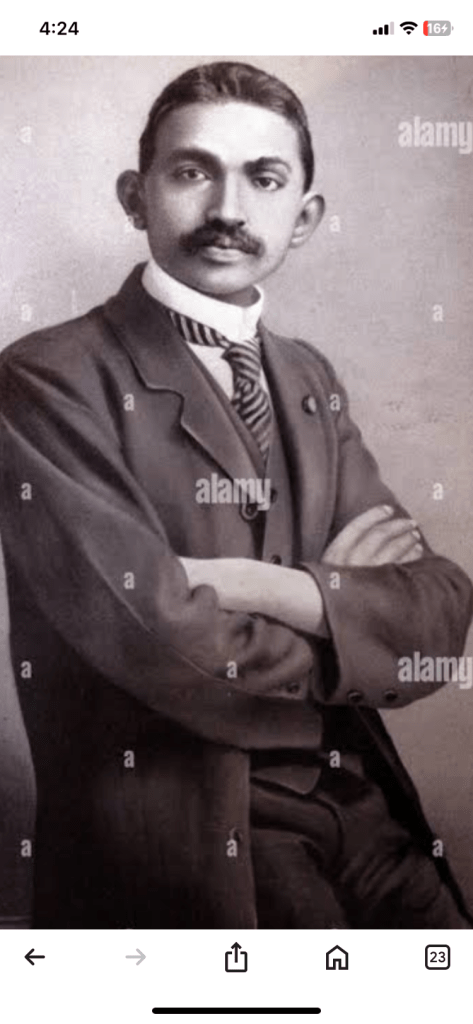
That’s a common misconception. While education played a crucial role in empowering many freedom fighters and providing them with the intellectual tools to articulate their demands and organize movements, it’s not accurate to say that all Indian freedom fighters were formally educated.
The Indian independence movement was a broad and diverse struggle involving people from all walks of life, including those who did not have the opportunity for formal education. Here’s why the statement is incorrect:
- Mass Participation: The movement relied heavily on the participation of ordinary people – peasants, laborers, artisans, and tribal communities – many of whom had limited or no formal education. Their resistance often took different forms, rooted in local grievances and traditions.
- Leadership from Diverse Backgrounds: While many prominent leaders were educated, there were also influential figures who rose through different means, relying on their charisma, community standing, and organizational skills rather than formal schooling.
- Different Forms of Resistance: The struggle for independence involved various methods beyond intellectual discourse and political organization. These included acts of civil disobedience, local uprisings, and even armed resistance, which didn’t always require formal education.
- Focus on Practical Skills and Local Knowledge: For many involved in local movements, their knowledge of the land, local customs, and practical skills were more relevant to their resistance efforts than formal education.
Examples of freedom fighters with varying levels of formal education include: - Mahatma Gandhi: While formally trained as a lawyer in Britain, his strength lay in his ability to connect with the masses, many of whom were not educated, using simple language and relatable principles.
- Sardar Vallabhbhai Patel: A successful lawyer, but his organizational skills and connection with rural communities were crucial to his leadership.
- Jawaharlal Nehru: Highly educated, a product of Harrow and Cambridge.
- Subhas Chandra Bose: Educated at Presidency College, Calcutta, and Cambridge University.
- Bhagat Singh: Studied at Dayanand Anglo-Vedic School and later at National College, Lahore, showing the influence of education on his revolutionary ideology.
- Rani Lakshmibai: The Queen of Jhansi, a key figure in the 1857 revolt, received traditional education but wasn’t formally schooled in the Western sense. Her leadership and courage inspired many.
- Tribal Leaders: Figures like Birsa Munda, who led significant tribal uprisings, often drew their strength from their cultural knowledge and connection with their communities rather than formal education.
In conclusion, while education was a powerful tool and a significant factor in the Indian independence movement, it wasn’t a prerequisite for being a freedom fighter. The struggle encompassed a wide spectrum of people with diverse backgrounds, skills, and levels of formal education, all united by the common goal of independence.
Please like subscribe comment your precious comment on universe discoveries
Full article source google
https://www.amazon.in/b?_encoding=UTF8&tag=555101-21&link
This is Amazon link if you want to buy anything from Amazon you can click on link to help my website universe discoveries grow freinds
https://www.buymeacoffee.com/Satyam55
Please donate me a coffee to help grow my website universe discoveries freinds
25953004
 Universe discoveries
Very nice.
Thanks for sharing.
LikeLike
🙏🌹
Aum Shanti
LikeLike
India’s freedom struggle is one of the most remarkable movements in history, fueled by the courage, sacrifice, and determination of countless freedom fighters. These individuals came from diverse backgrounds but shared a common goal- to liberate India from British colonial rule and secure independence for future generations. Their contributions continue to inspire the nation, reminding citizens of the value of unity, resilience, and sacrifice.
https://www.indianetzone.com/indian_freedom_fighters
LikeLike