
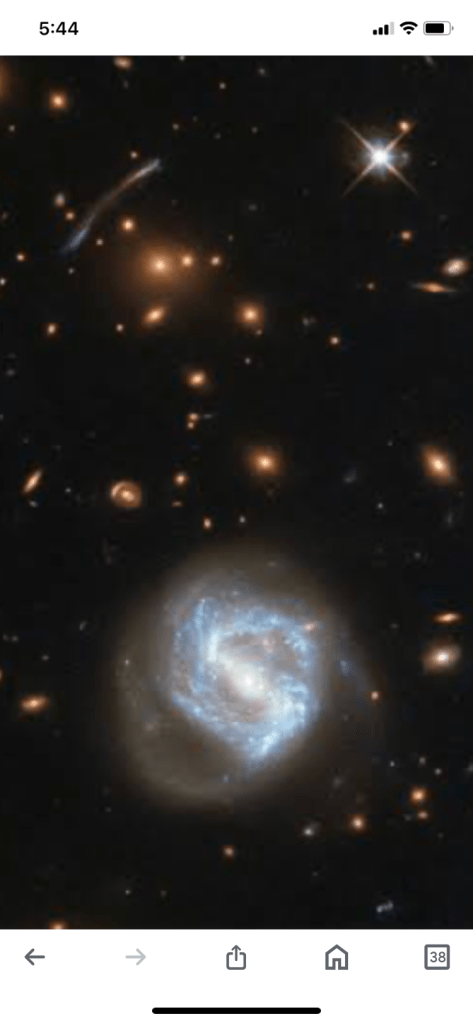
In astronomy, quenching is a process in which a galaxy loses cold gas, thus strongly suppressing star formation, because stars are formed from Nebulae and Nebulae (before star formation kickstarts with increasing metallicity) are formed from accumulated Interstellar gas in the Interstellar medium (ISM).
Why do galaxies quench
1: Causes and mechanisms of galaxy quenching. Either galaxies stop forming stars because their gas (fuel) has been removed, the gas can no longer form stars, or the gas cannot get from the surrounding halo to the galaxy. Different reasons for these mechanisms are displayed in this cartoon by Roberto Maiolino.
The virial shock rapidly heats any further infalling gas, stifling accretion of cold gas on to galaxies and thus quenching star formation
The evolution of galaxies, although studied for a long time, still holds unanswered questions, and sometimes very basic ones. For example, how do galaxies stop forming new stars? Why do similar galaxies behave in different ways? What is the mechanism that makes them die? All of these are questions that the general public often asks, but that still there are no clear answers to,” says Manzoni. “My research gives a hint to the mystery of the death of galaxies: it shows that whatever the mechanism is, it has to be fast, almost instantaneous; less than 100 million years seeming instantaneous in comparison to the time-scales at which the universe evolves.”
 Universe discoveries
A deeply insightful read on the intricate processes of galaxy evolution and quenching. The universe’s vastness and its mysteries are beautifully highlighted, especially in terms of the timescales we consider. Manzoni’s perspective on the rapidity of galaxies’ “death” process is both fascinating and thought-provoking. Looking forward to more revelations in this field!
LikeLiked by 1 person
Thanks universe is so interesting freind
LikeLiked by 1 person