
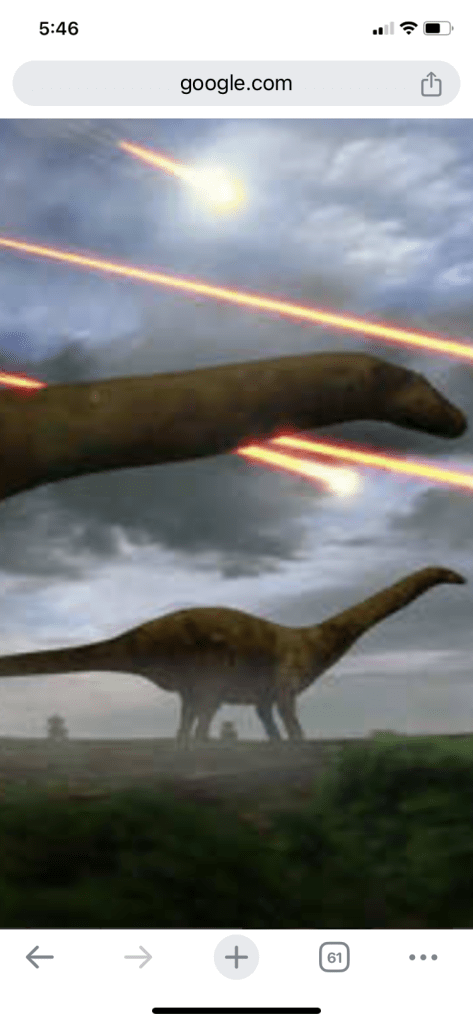
डायनासोरों को मारने वाले एस्टेरॉयड को लेकर नया खुलासा हुआ है. वैज्ञानिकों ने बताया कि ये पत्थर सौर मंडल के बाहर से आया था. यह हमारी दुनिया का पत्थर था ही नहीं. इसने सौर मंडल के बाहर से छलांग मारी और 6.60 करोड़ साल पहले सीधे हमारी धरती पर आकर गिरा. पूरी दुनिया में तबाही ला दी.
There has been a new revelation about the asteroid that killed the dinosaurs. Scientists told that this stone came from outside the solar system. This stone was not from our world at all. It jumped from outside the solar system and fell directly on our Earth 66 million years ago. Brought destruction to the entire world.
जिस एस्टेरॉयड ने धरती से डायनासोरों को खत्म किया था, वो बृहस्पति ग्रह के बहुत पीछे से आया था. यह खुलासा हाल ही में हुई एक स्टडी में हुआ है. इस एस्टेरॉयड ने मेक्सिको के यूकाटन प्रायद्वीप पर 6.60 करोड़ साल पहले विशालकाय गड्ढा कर दिया था. जिसकी वजह से डायनासोरों की पूरी प्रजाति खत्म हो गई थी.
The asteroid that wiped out the dinosaurs from Earth came from far behind Jupiter. This has been revealed in a recent study. This asteroid made a huge crater on the Yucatan Peninsula of Mexico 66 million years ago. Due to which the entire species of dinosaurs was extinct.
इसके अलावा धरती पर मौजूद सभी जीवों की 75 फीसदी आबादी खत्म हो गई थी. यह एक प्रलय जैसा था. पूरी दुनिया में मलबा फैल गया था. सुनामी आई थी. आग फैली थी. लेकिन अब एक स्टडी हुई है, जिसमें दावा किया गया है कि यह एस्टेरॉयड हमारे सौर मंडल के बाहर से आया था. वो बृहस्पति ग्रह के बहुत पीछे से.
Apart from this, 75 percent population of all the living beings present on the earth had been destroyed. It was like a holocaust. Debris was spread all over the world. Tsunami had come. The fire had spread. But now a study has been done, in which it has been claimed that this asteroid came from outside our solar system. That from far behind Jupiter.
वैज्ञानिकों ने प्राचीन मलबे की स्टडी करके यह पता किया कि एस्टेरॉयड किस चीज का बना था. यह एस्टेरॉयड कार्बोनेसियस था. यानी सी-टाइप. मतलब ये कि इसमें कार्बन की मात्रा बहुत ज्यादा थी. जर्मनी स्थिति यूनिवर्सिटी ऑफ कोलोन के जियोकेमिस्ट मारियो फिशर गोड्डे और उनके साथियों ने यह स्टडी की है.
Scientists studied ancient debris to find out what the asteroid was made of. This asteroid was carbonaceous. That means C-type. This means that the amount of carbon in it was very high. Geochemist Mario Fischer Godde and his colleagues from the University of Cologne in Germany have done this study.
सौर मंडल के बाहर से आया था एस्टेरॉयड
मारियो ने बताया कि वह एस्टेरॉयड हमारे सौर मंडल में मौजूद एस्टेरॉयड से मिलता नहीं है. यह बाहर से आया था. इसी ने डायनासोरों की जिंदगी खत्म कर दी. यह स्टडी हाल ही में नेचरजर्नल में प्रकाशित हुई है. इसी एस्टेरॉयड की टक्कर के बाद से क्रिटेसियस काल खत्म हो गया था. चिक्सूलूब क्रेटर बना था. छोटा-मोटा नहीं था ये गड्ढा.
Asteroid came from outside the solar system Mario told that that asteroid does not resemble the asteroid present in our solar system. It came from outside. This ended the life of dinosaurs. This study has recently been published in Nature Journal. The Cretaceous period ended after the collision of this asteroid. Chicxulub crater was formed. This pit was not small.
180 km चौड़ा और 20 km गहरा गड्ढा बना था
यह 180 किलोमीटर चौड़ा, 20 किलोमीटर गहरा था. सोचिए कि एक कार्बन एस्टेरॉयड की टक्कर कितनी खतरनाक हो सकती है. इससे जो मलबा उड़ा आज वो क्ले बनकर कई जगहों पर जमा है. जिसमें इरिडियम, रूथेनियम, ओसमियम, रोडियम, प्लेटिनम और पैलेडियम मिल रहा है.
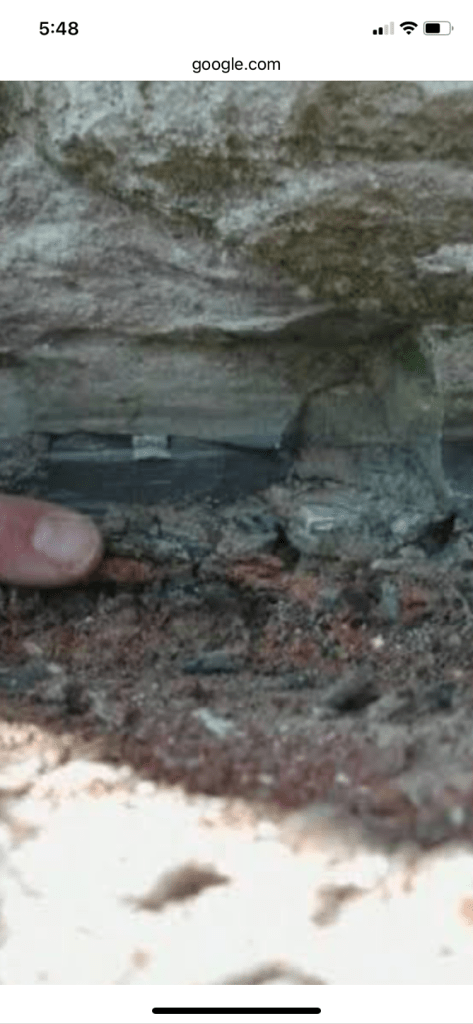
A crater 180 km wide and 20 km deep was formed. It was 180 kilometers wide and 20 kilometers deep. Imagine how dangerous a collision with a carbon asteroid could be. The debris that flew due to this is today deposited in the form of clay at many places. In which Iridium, Ruthenium, Osmium, Rhodium, Platinum and Palladium are available.
विशेष धातु की वजह से हुई एस्टेरॉयड की पहचान
ये सारे धातु धरती पर दुर्लभ हैं, लेकिन एस्टेरॉयड्स में कॉमन होते हैं. वैज्ञानिकों ने रूथेनियम पर खास ध्यान दिया. क्ले में मौजूद रूथेनियम की मात्रा की जांच की. इस धातु के सात आइसोटोप्स हैं. तीन तो टक्कर से निकले मलबे में मिले. ये आइसोटोप्स इस बात की पुष्टि करते हैं कि टकराने वाला एस्टेरॉयड कार्बन से भरा हुआ था.
Asteroid identified due to special metal All these metals are rare on Earth, but are common in asteroids. Scientists paid special attention to ruthenium. Investigated the amount of ruthenium present in the clay. There are seven isotopes of this metal. Three were found in the debris left after the collision. These isotopes confirm that the hitting asteroid was full of carbon.
Asteroid identified due to special metal All these metals are rare on Earth, but are common in asteroids. Scientists paid special attention to ruthenium. Investigated the amount of ruthenium present in the clay. There are seven isotopes of this metal. Three were found in the debris left after the collision. These isotopes confirm that the hitting asteroid was full of carbon.
Evidence of the formation of the solar system is found in C-type asteroids. These were outside the solar system. Later gradually some came inside the solar system. Which usually rotate in the asteroid belt between Mars and Jupiter. But the asteroid that wiped out the dinosaurs came directly from outside the solar system.
Please like subscribe comment your precious thoughts on universe discoveries
Full article source google
https://ef319omq1vrt6xbghnm0-e-nfe.hop.clickbank.net
https://www.amazon.in/b?_encoding=UTF8&tag=555101-21&link

Well researched write up.
LikeLiked by 1 person
Thanks sir🌹🌹
LikeLiked by 1 person