

India has launched its first analogue space mission in Leh, Ladakh, marking an important step in advancing the country’s human spaceflight capabilities. This mission aims to simulate life in interplanetary habitats, preparing for challenges astronauts might face on missions beyond Earth
This mission will simulate life in an interplanetary habitat to tackle the challenges of a base station beyond Earth,” Isro, which is in talks with multiple academic groups for a larger analogue research project, said.
Aaka, which has initiated the country’s first Mars and Moon Analogue mission in Ladakh is conducting a month-long project in partnership with Isro and other partners
Led by Aastha, the mission aims at leveraging Ladakh’s unique environmental characteristics that mirror Mars-like conditions. The region’s high altitude provides only 40% of sea-level oxygen, while its extreme temperature variations from 15°C to -10°C closely simulate the challenging conditions astronauts might face on Mars or the Moon
The research conducted during this mission will not only test the habitat’s physical systems but also study human adaptation to isolation and extreme environments. The findings will be shared with the global scientific community, contributing to the advancement of space habitation technology
The phrase “Creating Mars in Ladakh” refers to a unique project undertaken by the Indian Space Research Organisation (ISRO) in collaboration with other institutions. Ladakh, with its high altitude, arid climate, and rugged terrain, provides an ideal environment to simulate the harsh conditions on Mars.
The project involves setting up a Mars-like habitat in Ladakh, equipped with advanced technologies to replicate the Martian environment. This habitat will serve as a base for researchers to conduct experiments and test equipment that could be used for future missions to Mars.
The project aims to achieve several objectives, including:
- Developing technologies and systems that can withstand the extreme temperatures, radiation, and dust storms on Mars.
- Testing the endurance and capabilities of astronauts in a simulated Martian environment.
- Gathering valuable data on the Martian environment and its potential for human habitation.
- Promoting scientific research and collaboration in the field of space exploration.
The “Creating Mars in Ladakh” project is a significant milestone in India’s space program and represents a major step towards realizing the dream of human exploration of Mars.
India’s future Mars mission, known as Mangalyaan-2, is currently in development. It is planned to launch in 2024 and will include a rover, a helicopter, a sky crane, and a supersonic parachute. This mission aims to explore Mars in greater detail and conduct scientific experiments to better understand the planet’s geology, atmosphere, and potential for past or present life.
Is mars like environment in Ladakh helping Gaganyaan
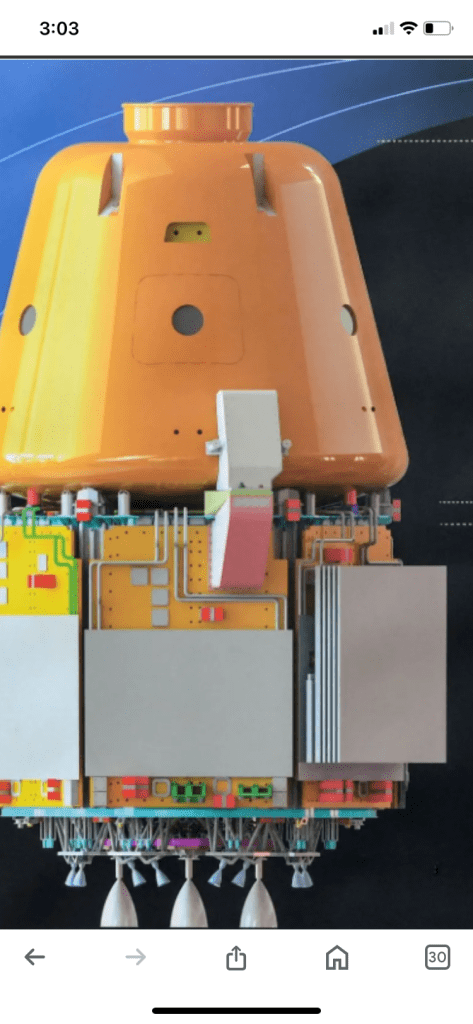
Yes, the Mars-like environment in Ladakh is indeed helping India’s Gaganyaan mission. Here’s how:
- Simulating Extreme Conditions:
- Harsh Climate: Ladakh’s cold, dry, and high-altitude conditions closely resemble those found on Mars and the Moon. This allows researchers to test equipment and systems under extreme conditions, ensuring their reliability in space.
- Isolation and Confinement: The remote and isolated nature of Ladakh provides an opportunity to study the psychological and physiological effects of isolation and confinement on astronauts, which is crucial for long-duration space missions.
- Testing Technologies and Equipment:
- Space Suits: Ladakh’s harsh environment is ideal for testing the durability and functionality of space suits designed for extravehicular activities (EVAs).
- Life Support Systems: Researchers can evaluate the performance of life support systems, such as oxygen generation and water recycling systems, in extreme conditions.
- Communication Systems: The remote location of Ladakh allows for testing the reliability of communication systems, including satellite communication and radio frequency technologies.
- Training Astronauts:
- Physical and Psychological Training: Ladakh’s challenging terrain and extreme weather conditions can be used to train astronauts in physical endurance, problem-solving, and decision-making skills.
- Emergency Procedures: Astronauts can practice emergency procedures, such as extravehicular activity simulations and emergency medical response, in a realistic setting.
By conducting research and experiments in Ladakh’s Mars-like environment, India is gaining valuable insights and developing the necessary technologies to ensure the success of its Gaganyaan mission and future space exploration endeavors.
Indian moon mission ( Chandrayaan 4)

While the Mars-like environment in Ladakh is not directly involved in the Chandrayaan-4 mission, it does contribute indirectly to India’s overall space program, including future lunar missions. Here’s how:
- Testing Technologies and Equipment:
- Harsh Conditions: Ladakh’s extreme conditions, such as low temperatures, low oxygen levels, and intense UV radiation, provide a challenging environment to test equipment and systems that could be used in future lunar missions.
- Isolation and Confinement: The remote and isolated nature of Ladakh allows researchers to study the psychological and physiological effects of isolation and confinement on humans, which is relevant to long-duration space missions.
- Training Astronauts:
- Physical and Psychological Training: Ladakh’s challenging terrain and extreme weather conditions can be used to train astronauts in physical endurance, problem-solving, and decision-making skills, which are essential for lunar missions.
- Emergency Procedures: Astronauts can practice emergency procedures, such as extravehicular activity simulations and emergency medical response, in a realistic setting.
By conducting research and experiments in Ladakh’s Mars-like environment, India is gaining valuable insights and developing the necessary technologies to ensure the success of future lunar missions, including Chandrayaan-4 and beyond.
India’s Promising Future in Space Exploration
With a strong track record of successful space missions, including the Chandrayaan and Mangalyaan missions, India is undoubtedly poised to play a leading role in future space exploration. Several factors contribute to this optimistic outlook:
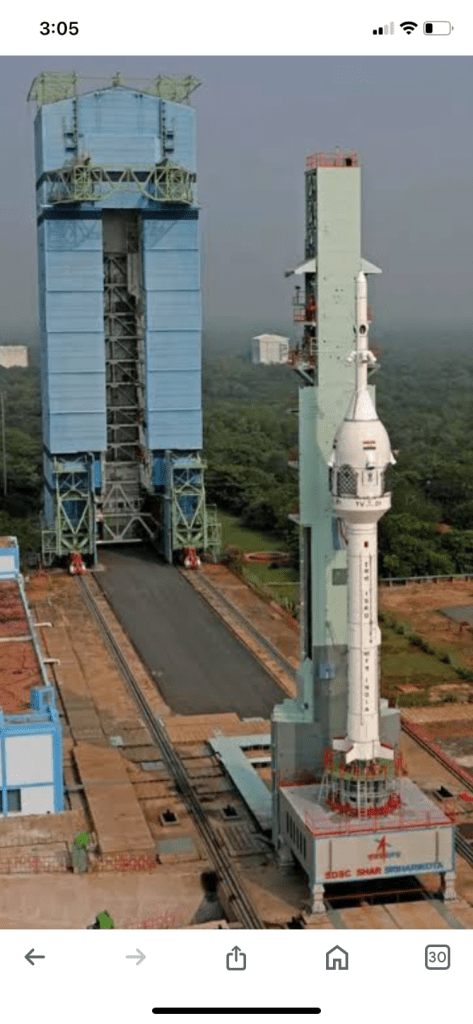
- Strong Government Support: The Indian government has consistently shown strong support for the Indian Space Research Organisation (ISRO), providing substantial funding and resources.
- Skilled Workforce: India boasts a highly skilled workforce in engineering, science, and technology, which is crucial for developing innovative space technologies.
- Cost-Effective Approach: ISRO has a reputation for executing missions efficiently and cost-effectively, making it a competitive player in the global space race.
- Ambitious Mission Plans: India has a pipeline of ambitious missions, including human spaceflight missions (Gaganyaan), lunar exploration missions (Chandrayaan), and potential Mars missions.
- International Collaborations: India is actively collaborating with other space agencies, such as NASA and JAXA, to share knowledge and resources, further enhancing its capabilities.
While it’s challenging to predict the exact trajectory of future space missions, India’s commitment to space exploration, coupled with its technological advancements, positions it as a strong contender to lead future missions.
Please like subscribe comment your precious thoughts on universe discoveries
sk-mania-blogs.in
Full article source google
https://www.buymeacoffee.com/Satyam55
Buy me a coffee!” (your opportunity to say thanks for the free stuff and to encourage me to do even more)
<!– /wp:heading https://www.amazon.in/b?_encoding=UTF8&tag=555101-21&link
“If you like my work or the free stuff on this website and want to say thanks, or encourage me to do more, you can buy me a coffee!
Contribute to my coffee fund with any amount you are comfortable to pay.
The coffee will give me the ‘kick’ to work even harder to empower creative entrepreneurs
 Universe discoveries
🙏🌹
Aum Shanti
LikeLike