
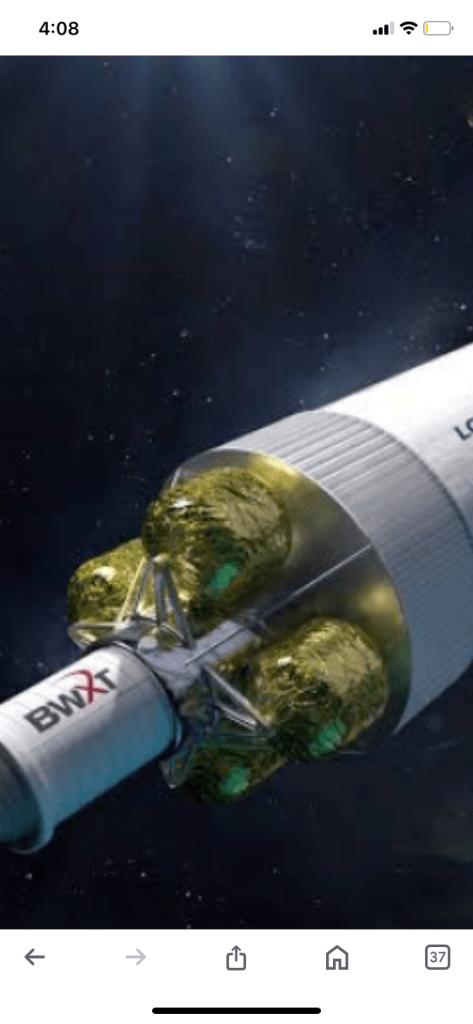
The nuclear propulsion system that NASA is developing. This system, called Bimodal Nuclear Propulsion, uses a combination of nuclear thermal propulsion (NTP) and nuclear electric propulsion (NEP) to achieve much higher speeds than current rockets.
Here’s a breakdown of the key points:
- Bimodal Nuclear Propulsion: This system combines two types of nuclear propulsion:
- Nuclear Thermal Propulsion (NTP): A nuclear reactor heats liquid hydrogen, turning it into hot gas that is expelled through a nozzle to generate thrust.
- Nuclear Electric Propulsion (NEP): A nuclear reactor powers an electric engine that accelerates ions to high speeds, providing thrust.
- Wave Rotor Topping Cycle: The new system incorporates a “wave rotor topping cycle” that further increases efficiency and thrust.
- Faster Travel Times: This technology could reduce travel times to Mars from the current seven months to just 45 days.
- Advantages over Hydrogen and Plasma: While hydrogen and plasma are used in some current propulsion systems, the new nuclear system offers several advantages:
- Higher Speeds: It can achieve much higher speeds, leading to shorter travel times.
- Increased Efficiency: The wave rotor topping cycle improves efficiency, reducing fuel consumption.
- Greater Thrust: The system provides more thrust, allowing for faster acceleration and deceleration.
This new technology is still in the early stages of development, but it has the potential to revolutionize space travel and make human missions to Mars a reality.
NASA is exploring multiple fuel options for Mars, including:
- AmmoniaNASA has considered ammonia as a fuel for transporting astronauts to Mars from the lunar Gateway space station.
- HydrogenNASA is researching how to generate hydrogen from the water in Martian soil. Hydrogen can be combined with carbon dioxide from the atmosphere to create methane, which can be used as fuel.
- Fuel cellsNASA is developing fuel cells that can provide renewable power for aerospace applications. NASA has explored fuel cells using hydrogen, methane, metal-air, and hydrogen peroxide.
- Pulsed plasma rocket (PPR)NASA is developing a PPR that uses superheated plasma pulses to create thrust. The PPR could allow spacecraft to reach speeds of up to 100,000 miles per hour, which could enable faster trips to Mars.
- ElectrolysisNASA has demonstrated that electrolyzing brines at low temperatures can produce hydrogen for fuel and oxygen for life support.
- Chlamydomonas reinhardtiiNASA is researching genes and gene pathways in Chlamydomonas reinhardtii to optimize the generation of hydrogen and other fuels in space.
Can we reach Mars in 45 days?
This means that instead of the current minimum of seven months to reach Mars, a nuclear-powered journey could take just 45 days. Additionally, NASA is exploring the potential for an efficient Earth-to-Moon connection, making this technology even more beneficial
Nuclear thermal rockets (NTRs) can propel vehicles at speeds that are 30 to 70% faster than chemical propulsion systems. For example, a reactor operating at 3,000 °K can expel propellant at a speed of 10 km/s, which is more than twice the exhaust speed of the best conventional rockets.
Here are some other characteristics of nuclear thermal rockets:
- Mass ratio: The mass ratio of liftoff to payload mass is reduced for nuclear-powered missions. For example, the mass ratio for a lunar mission is reduced from 15:1 to around 4:1, and for a Mars mission, it drops from 100:1 to 10:1.
- Transit times: NTRs can enable shorter transit times to and from Mars, which can reduce crew exposure to space radiation and the physical effects of prolonged exposure to a zero-g environment.
- Vehicle reusability: NTRs allow vehicle reusability and component commonality, which can reduce development and recurring costs.
- Artificial gravity: NTRs can allow artificial gravity operation.
- Abort capability: NTRs can allow increased abort capability.
NASA’s NERVA program was one of the first efforts to explore the design of a nuclear thermal rocket engine. However, the program was plagued by technical challenges, and the NERVA engine never made it to space.
Please like subscribe comment your precious thoughts on universe discoveries
Sk-mania-blogs.in
If you love my work and think i am contributing in giving education to young kids please give me a coffee
 Universe discoveries
🙏🌹
Aum Shanti
LikeLike
That’s a long time. I’d it worth the trip
LikeLike
Yes 👍 but 45 days is ok to travel to mars
LikeLiked by 1 person
Ok
LikeLike
🌅🌅
LikeLiked by 1 person