
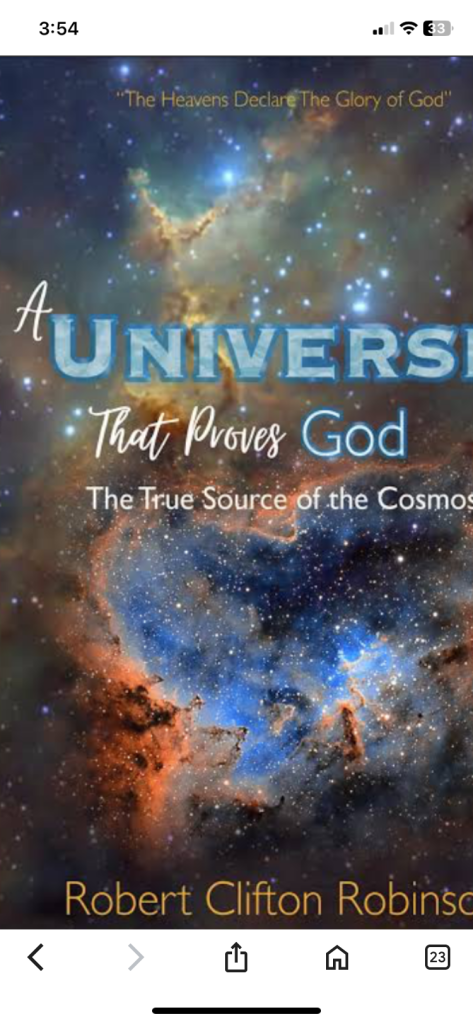
The field of abiogenesis, the study of how life arose from non-living matter, is constantly evolving, and recent research has indeed challenged some long-standing assumptions about the origin of life. It’s an incredibly complex puzzle, and scientists are continually refining their hypotheses based on new evidence and experiments.
Here are some key areas where scientists are rethinking the origin of life:
- The “Prebiotic Soup” Re-evaluation: The classic Miller-Urey experiment (1950s) demonstrated that amino acids could form from inorganic compounds under conditions thought to resemble early Earth’s atmosphere. This led to the “primordial soup” theory. However, more recent understanding of early Earth’s atmosphere suggests it may have been less reducing (less hydrogen-rich) than previously thought, making the direct formation of complex organic molecules less likely in a uniform global soup. Scientists are now exploring:
- Localized environments: The idea that life may have originated in specific “cradles” like hydrothermal vents (both alkaline and acidic), volcanic ponds, or even ice, where unique chemical conditions and energy sources could facilitate complex reactions.
- Delivery from space: The hypothesis that some of the building blocks of life, like amino acids and nucleobases, may have been delivered to Earth via meteorites and comets. This is supported by the discovery of such molecules in extraterrestrial samples.
- Challenging the RNA World’s Precursors: The “RNA World” hypothesis, which suggests that RNA, not DNA or proteins, was the primary genetic and catalytic molecule in early life, is a strong contender. However, the formation of ribose (the sugar in RNA) under plausible prebiotic conditions has been a significant challenge.
- Formose reaction revisited: Recent research has questioned the ability of the “formose reaction” (a long-proposed mechanism for ribose synthesis) to produce linear ribose under early Earth conditions, instead yielding branched sugar structures incompatible with RNA. This necessitates exploration of alternative pathways for ribose formation.
- Alternative pre-RNA worlds: Some scientists are exploring the possibility of even simpler genetic polymers preceding RNA, such as PNA (peptide nucleic acid) or TNA (threose nucleic acid), which might have been easier to synthesize abiotically.
- The Order of Amino Acid Emergence: A recent study has suggested that the traditional understanding of how the 20 essential amino acids were “added” to the genetic code might be incorrect. It proposes that our current models may overemphasize the most abundant amino acids in early life forms, and that amino acids could have originated from different regions of early Earth. It even suggests that early life might have used “noncanonical” amino acids.
- The Role of Oxygen: While oxygen is vital for much of life today, it’s generally accepted that early Earth was largely anoxic. However, new studies are challenging assumptions about the timing and impact of oxygenation events on early life’s evolution. For example, some research suggests that the proliferation of multicellular organisms might have occurred at lower levels of oxygen than previously thought, indicating that lower oxygen levels might have initially benefited the development of early life.
- Complexity and the “Last Universal Common Ancestor” (LUCA): Research continues to refine our understanding of LUCA, the single life form from which all existing life diverged. Recent analysis of amino acids before and after LUCA suggests a more nuanced understanding of gene emergence and the early evolution of the genetic code.
Why the “Wrong” Impression?
It’s important to understand that in science, “being wrong” often means refining a hypothesis, not discarding it entirely. The origin of life is not a solved problem, and it’s a field characterized by intense research, debate, and the constant proposal and testing of new ideas. The ongoing re-evaluation reflects the healthy and dynamic nature of scientific inquiry as new data and insights emerge.
The complexity of the problem, the difficulty of recreating early Earth conditions, and the vast timescales involved mean that the “true” origin of life may always remain somewhat elusive. However, the continuous questioning and challenging of existing theories are crucial for progress in this fascinating area of science.
New analysis about origin of life
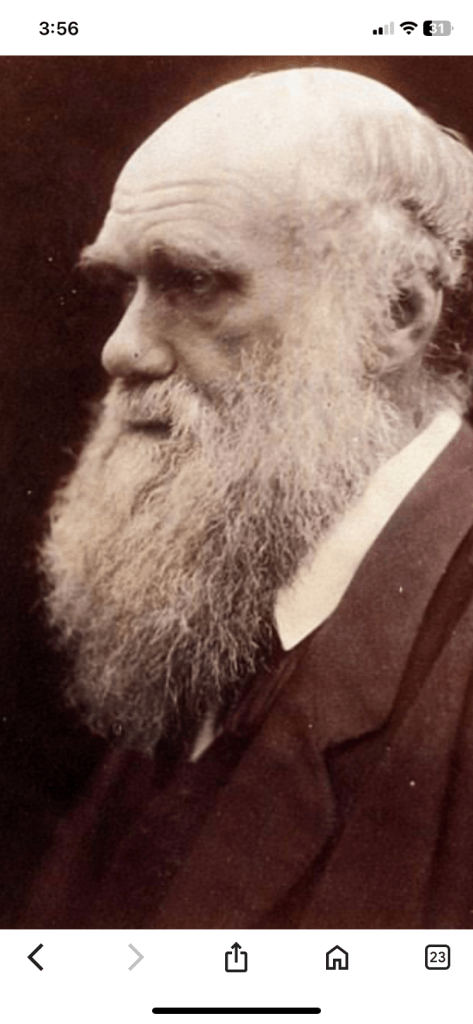
- In a new peer reviewed analysis, scientists quantify amino acids before and after our “last universal common ancestor.”
- The last universal common ancestor is the single life form that branched into everything since.
- Earth four billion years ago may help us check for life on one of Saturn’s moons today
Scientists are making a case for adjusting our understanding of how exactly genes first emerged. For a while, there’s been a consensus about the order in which the building-block amino acids were “added” into the box of Lego pieces that build our genes. But according to genetic researchers at the University of Arizona, our previous assumptions may reflect biases in our understanding of biotic (living) versus abiotic (non-living) sources.
In other words, our current working model of gene history could be undervaluing early protolife (which included forerunners like RNA and peptides), as compared to what emerged with and after the beginning of life. Our understanding of these extremely ancient times will always be incomplete, but it’s important for us to keep researching early Earth. The scientists explain that any improvements in that understanding could not only allow us to know more of our own story, but also help us search for the beginnings of life elsewhere in the universe.
Please like subscribe comment your precious comment on universe discoveries
Full article source google
https://www.amazon.in/b?_encoding=UTF8&tag=555101-21&link
This is Amazon link if you want to buy anything from Amazon you can click on link to help my website universe discoveries grow freinds
https://www.buymeacoffee.com/Satyam55
Please donate me a coffee to help grow my website universe discoveries freinds
 Universe discoveries
🙏🌹
Aum Shanti
LikeLike
Very nice
LikeLike