

A groundbreaking collaboration between the UK Atomic Energy Authority (UKAEA) and space-tech company Space Solar is making strides in developing robotic systems to construct massive solar farms and data centers in outer space, entirely without human intervention. This initiative, known as the AlbaTRUSS project, aims to revolutionize the future of energy and data management by leveraging advanced robotics to build gigawatt-scale solar power satellites and space infrastructure.
Key aspects of the project:
- Autonomous Assembly: The core focus is on developing robots capable of assembling large structures in space with zero human hands, overcoming the challenges of in-space construction. Successful tests have already demonstrated the robotic assembly of components for future solar power satellites.
- Space-Based Solar Power (SBSP): These orbital solar farms are designed to continuously capture solar energy, unaffected by atmospheric interference or the Earth’s day-night cycle. This offers a constant and clean energy supply that can be beamed back to Earth, providing a compelling solution to the intermittent nature of terrestrial renewable energy sources.
- Off-Earth Data Centers: Beyond energy, the project also envisions building data centers in space, which could offer advantages in terms of cooling, security, and access to constant power.
- UK’s Ambition: The UK is actively pursuing space-based solar power, with a goal of having a demonstrator in orbit by 2035. The UK Space Energy Initiative, comprising over 50 British technology organizations, supports this vision.
- Technical Viability: An extensive engineering study commissioned by the UK government concluded that SBSP is technically viable and does not require breakthroughs in fundamental physics, new materials, or component technology.
- Modular Design: The initiative explores modular concepts like CASSIOPeiA (Constant Aperture, Solid-State, Integrated, Orbital Phased Array), which would allow for expandability after the demonstration phase. Even a demonstrator plant could be several miles across and require numerous rocket launches for component delivery.
This project signifies a significant leap in space infrastructure development, potentially transforming global energy strategies and redefining what’s possible in space exploration.
IN A NUTSHELL
 AlbaTRUSS project aims to build large-scale structures in space using advanced robotic technology, led by the UKAEA and Space Solar.
 Successful tests demonstrated robotic assembly of components for future gigawatt-scale solar power satellites without human intervention.
 Space-based solar power offers a constant, clean energy supply, capturing solar energy where the sun never sets, and beaming it back to Earth.
 The project could transform global energy strategies and redefine the possibilities of space infrastructureand energy management.
In an era where technological advancements continually push boundaries, the prospect of constructing large-scale structures in outer space is no longer a distant dream. The UK Atomic Energy Authority (UKAEA) and Space Solar, a pioneering space-tech company, are making strides in this direction with their AlbaTRUSS project. This initiative aims to develop robotic systems capable of assembling massive energy infrastructures and data centers in space, entirely without human intervention. Such endeavors could revolutionize how we harness energy, offering a sustainable solution to meet the growing global demand. As the project progresses, it promises to set new milestones in space technology.
The AlbaTRUSS Project: A New Frontier in Space Construction
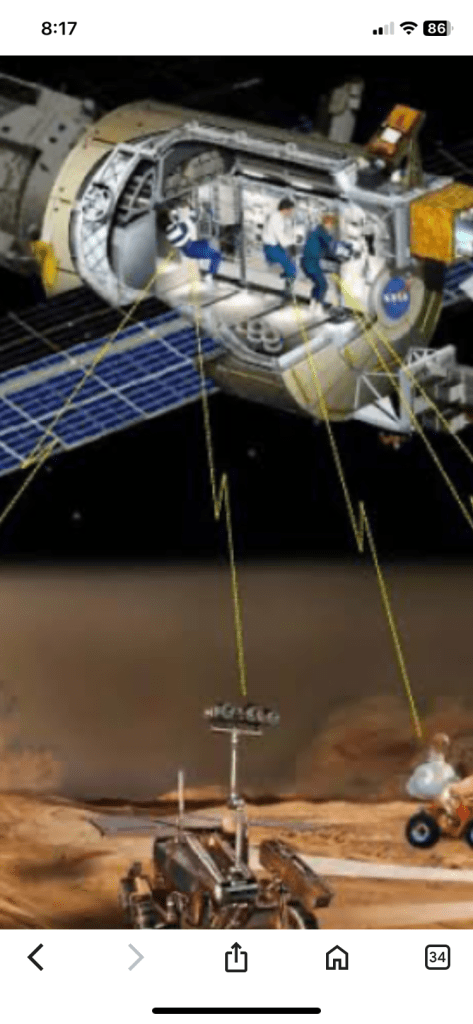
The AlbaTRUSS project represents a groundbreaking collaboration between the UKAEA and Space Solar. The project aims to enable the construction of gigantic structures in space, including data centers and energy infrastructure. This monumental task is being tackled by leveraging advanced robotic technology, which has already begun transforming industries on Earth. The project’s success could redefine the limits of what is possible in space exploration and infrastructure development.
A recent demonstration showcased the project’s potential, as robotic technology successfully assembled large-scale structures in space without human intervention. According to Dr. Sam Adlen, Co-CEO of Space Solar, the AlbaTRUSS project marks a significant milestone not only for satellite architecture but also for the future of large-scale space structures. The ambitious goal is to have the first 30-megawatt demonstrator operational by 2029, with plans to achieve full gigawatt-scale capacity in the early 2030s.
Dual-arm Robotic Testing: Engineering Marvels
Space Solar’s vision extends to developing solar power satellites on a gigawatt scale. These satellites are envisioned as being several miles long and approximately 66 feet wide, consisting of hundreds of thousands of modular units. They are designed to capture solar energy continuously, taking advantage of the fact that the sun never sets in space.
Significance of Space-based Solar Power
Space-based solar power presents a transformative opportunity for the global energy landscape. By capturing solar energy in space and transmitting it to Earth, we can overcome the limitations posed by weather and geographical constraints that affect traditional renewable energy sources. This technology not only promises a constant and abundant supply of energy but also aligns with global sustainability goals by reducing reliance on fossil fuels.
The Future of Large-scale Infrastructure in Space
As we look to the future, the construction of large-scale infrastructure in space holds immense potential for various industries. Beyond energy, the ability to build data centers in space could revolutionize data management and storage, offering unparalleled security and efficiency. The AlbaTRUSS project stands at the forefront of this new era, showcasing the possibilities of robotic technology in overcoming the challenges of space construction.
With continued advancements and successful demonstrations, this project could serve as a blueprint for future endeavors in space infrastructure. The potential benefits are vast, from economic opportunities to advancements in science and technology. As we continue to explore the cosmos, the ability to construct and maintain large-scale structures in space will be paramount to supporting human endeavors beyond Earth.
Please like subscribe comment your precious thoughts on universe discoveries
Full article source google
 Universe discoveries
🙏🌹
Aum Shanti
LikeLike