

Sun Pharma’s rise from a small startup to a global pharmaceutical giant is a testament to its strategic approach and entrepreneurial spirit. Founded in 1983 by Dilip Shanghvi, the company’s success can be attributed to several key factors:
• Strategic Focus: Sun Pharma started by specializing in psychiatric drugs, a niche area often overlooked by larger companies. This allowed it to establish a strong foothold and grow steadily before diversifying into other therapeutic areas like cardiology and gastroenterology.
• Aggressive Acquisitions: A core part of its growth strategy has been the acquisition of other pharmaceutical companies. This not only expanded its product portfolio but also its global market presence. The most significant example is the 2014 acquisition of Ranbaxy, which made Sun Pharma the world’s fifth-largest specialty generic pharmaceutical company and India’s largest.
• Commitment to R&D: The company consistently invests in research and development to create a pipeline of new products. This focus on innovation has enabled it to develop complex and specialized medicines, giving it a competitive edge in both the generic and branded drug markets.
• Global Expansion: Sun Pharma has successfully expanded its operations beyond India. It has a presence in over 100 countries and has established a strong presence in key markets like the USA, where it is a leader in generic dermatology.
• Leadership and Vision: Dilip Shanghvi’s vision, persistence, and focus on high-quality, affordable medicines have been a driving force behind the company’s success. His leadership has guided Sun Pharma through periods of rapid growth and challenges, solidifying its position as a major player in the global healthcare industry.
The dynamic Dilip shanghvi life story

Sun Pharma’s rise from a small startup to a global pharmaceutical giant is a testament to its strategic approach and entrepreneurial spirit. Founded in 1983 by Dilip Shanghvi, the company’s success can be attributed to several key factors:
• Strategic Focus: Sun Pharma started by specializing in psychiatric drugs, a niche area often overlooked by larger companies. This allowed it to establish a strong foothold and grow steadily before diversifying into other therapeutic areas like cardiology and gastroenterology.
• Aggressive Acquisitions: A core part of its growth strategy has been the acquisition of other pharmaceutical companies. This not only expanded its product portfolio but also its global market presence. The most significant example is the 2014 acquisition of Ranbaxy, which made Sun Pharma the world’s fifth-largest specialty generic pharmaceutical company and India’s largest.
• Commitment to R&D: The company consistently invests in research and development to create a pipeline of new products. This focus on innovation has enabled it to develop complex and specialized medicines, giving it a competitive edge in both the generic and branded drug markets.
• Global Expansion: Sun Pharma has successfully expanded its operations beyond India. It has a presence in over 100 countries and has established a strong presence in key markets like the USA, where it is a leader in generic dermatology.
• Leadership and Vision: Dilip Shanghvi’s vision, persistence, and focus on high-quality, affordable medicines have been a driving force behind the company’s success. His leadership has guided Sun Pharma through periods of rapid growth and challenges, solidifying its position as a major player in the global healthcare industry.
Sun pharma future plans and it’s Ranbaxy acquisition story
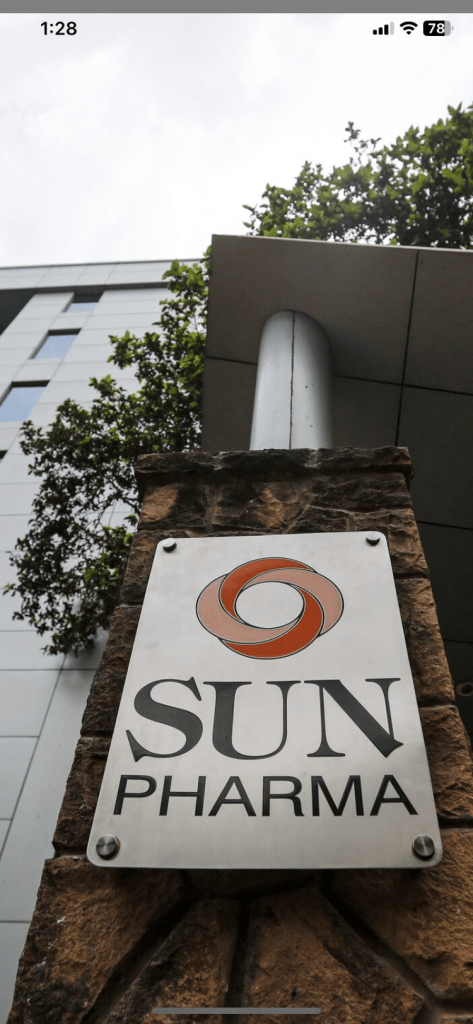
The Ranbaxy Acquisition Story
In 2014, Sun Pharma made a bold move by acquiring Ranbaxy Laboratories in a $4 billion all-stock transaction. At the time, Ranbaxy was in a difficult position, facing serious regulatory issues and manufacturing bans from the U.S. Food and Drug Administration (FDA).
• The Problem: Ranbaxy was struggling with a tarnished reputation due to its quality control issues, which had led to a sharp decline in its business and value.
• The Opportunity: Dilip Shanghvi saw this crisis as an opportunity. By acquiring Ranbaxy, he could gain a massive portfolio of products and a significant presence in the global generics market, particularly in the U.S.
• The Outcome: The acquisition, though challenging, was a success. Sun Pharma became the largest pharmaceutical company in India and the fifth largest in the world. Shanghvi’s team focused on resolving Ranbaxy’s compliance issues, turning the company around, and leveraging its assets to expand Sun Pharma’s global reach.
Future Plans and Strategy
Sun Pharma’s future growth is centered on a shift from a generics-only model to a focus on high-value, differentiated products and specialty medicines.
• Specialty Drugs: The company is heavily investing in specialty drugs, especially in areas like dermatology, oncology, and ophthalmology. This move aims to increase profitability and reduce dependence on the competitive generics market.
• Research and Development (R&D): Sun Pharma continues to invest in R&D for both generics and innovative products. A significant portion of its R&D budget is dedicated to specialty product development and new molecules, such as those targeting obesity and diabetes.
• Global Expansion: While the U.S. remains a key market, the company is also looking to expand in emerging markets like Africa and Latin America, as well as strengthening its presence in India.
• Strategic Acquisitions: Sun Pharma’s strategy of acquiring companies with approved products to accelerate entry into new therapeutic areas is expected to continue.
• Risk Management: The company’s leadership is also focused on de-risking its manufacturing and supply chain, including exploring setting up new plants in key markets to mitigate the impact of potential trade tariffs.
Please like subscribe comment your precious comment on universe discoveries
sk-mania-blogs.in website adress
Full article source google
 Universe discoveries
🙏🌹
Aum Shanti
LikeLiked by 1 person
This case study on Sun Pharma is both inspiring and insightful — a perfect example of how vision, focus, and resilience can transform a small startup into a global leader. What stands out most is the clarity with which you’ve highlighted the company’s strategic milestones: from its early specialization in psychiatric drugs, to bold acquisitions like Ranbaxy, to its consistent investment in R&D and global expansion.
Your emphasis on Dilip Shanghvi’s leadership is especially important — his foresight and determination not only built a pharmaceutical giant but also ensured that high-quality, affordable medicines reached millions worldwide.
LikeLiked by 1 person