
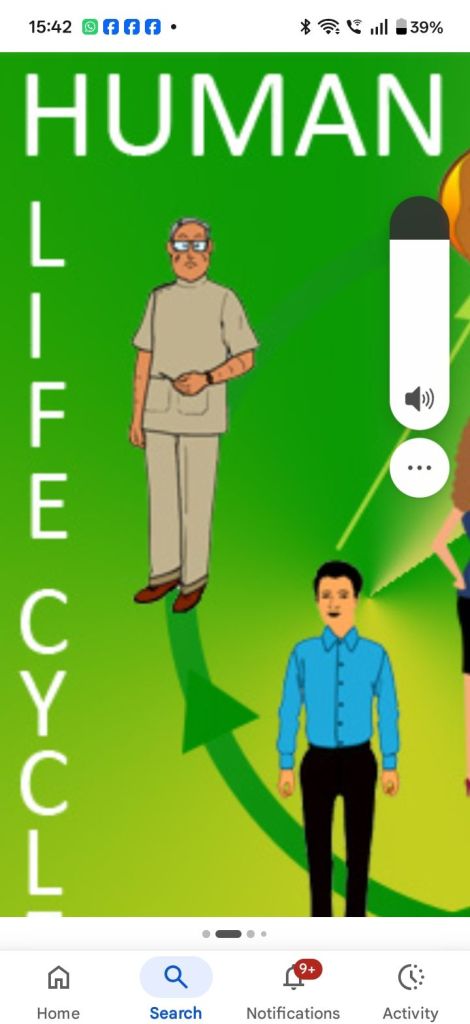
The story you are referring to is a popular traditional fable about how the human lifespan was divided among different creatures.
While it originates from folklore (often associated with Aesop’s fables or Eastern parables), it is frequently told in the context of the Hindu Vanaprastha Ashram (the third stage of human life meant for retirement and looking after the next generation) to explain why different ages of human life feel the way they do.
Here is the story of how man inherited the years of the donkey, the dog, and the owl.
The Creation of Lifespans
When the Creator made the world, He granted each creature a baseline lifespan of 30 years.
First came the donkey. The donkey looked at the Creator and sighed, “Lord, 30 years is too long for me. My life will be full of hard labour, carrying heavy burdens, and being beaten by my master. Please, reduce my lifespan.”
The Creator took pity on the donkey and took away 18 years, leaving the donkey with 12 years of life.
Next came the dog. The dog said, “Lord, 30 years is too much for me. I must always be alert, bark to protect my master’s home, and gnaw on leftovers when I am old and teethless. Please reduce my years.”
The Creator agreed and took away 12 years, leaving the dog with 18 years of life.
Then came the owl. The owl said, “Lord, 30 years is a burden. I must sit in the dark, look at the world with gloomy eyes, and hide away from the light. Please reduce my years.”
The Creator took away 20 years, leaving the owl with 10 years of life.
Man Demands More
Finally, man appeared. The Creator granted him 30 years.
Man, being ambitious, complained, “Lord, 30 years is far too short! Just when I build a home and understand the world, my time will be up. Please give me more years!”
The Creator replied, “I will give you the years that the other animals rejected.”
- Man took the 18 years the donkey gave up.
- Man took the 12 years the dog gave up.
- Man took the 20 years the owl gave up.
This brought man’s total lifespan to 80 years.
The Four Stages of Man’s Life
Because man took the years of the animals, his life mimics those creatures as the decades pass, perfectly aligning with the traditional transitions into the Vanaprastha and late stages of life:
- Age 0 to 30 (The Human Years): These are man’s own original 30 years. He is healthy, full of joy, enjoys life, falls in love, and lives free of heavy burdens.
- Age 31 to 48 (The Donkey Years): Man lives the 18 years of the donkey. He gets married, builds a household, and is loaded with burdens. He works day and night like a beast of burden to provide for his family, carrying the weight of responsibilities.
- Age 49 to 60 (The Dog/Vanaprastha Years): Man lives the 12 years of the dog. This marks the transition into Vanaprastha Ashram, where he steps back from active work to let his children take over. Like an old guard dog, he sits on the porch, watches over the house, eats what is given to him, and barks (grumbles) at visitors or family members to protect the household rules.
- Age 61 to 80 (The Owl Years): Man lives the final 20 years of the owl. His eyes grow dim, and he stays awake at night due to old age, sitting in his room in silence. He watches the younger generation live their lives, speaking only to offer late-night wisdom, just like an old owl sitting in the dark.

